DIY vs Professional Septic Tank Pumping: What's Worth It in Ludowici
Pumping your own septic tank is rarely worth it. The equipment rental, disposal rules, and safety risks outweigh the savings for most Ludowici homeowners, so professional septic tank pumping usually wins.
Published
Part of our Septic Tank Pumping service.
Pumping the Tank Yourself: How It Actually Works
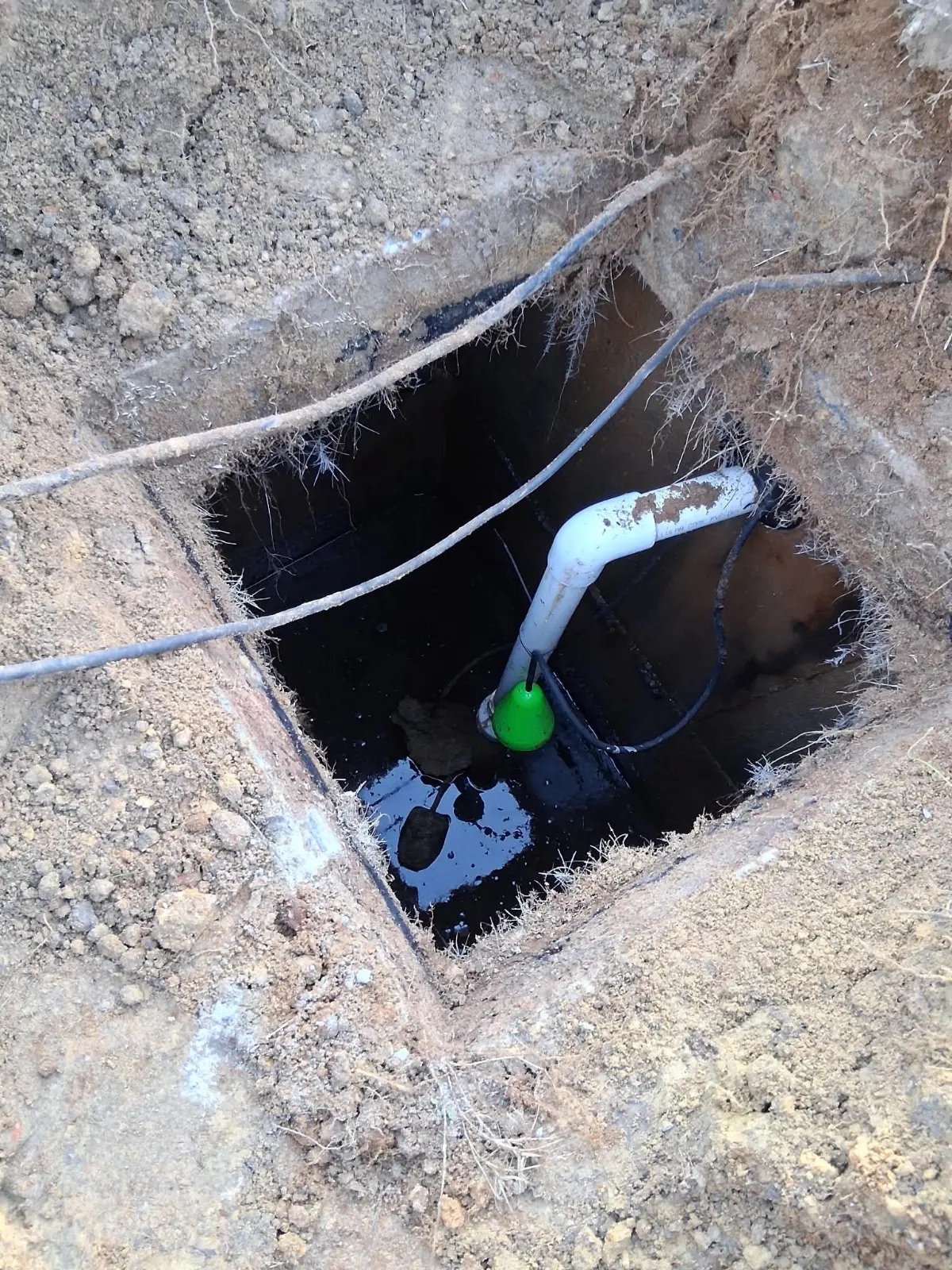
On paper, the DIY route looks simple. You rent or buy a pump, locate your tank, open the lid, and move the waste into a holding container you then have to legally dispose of. This guide comes from J&J Septic Waste Services LLC in Ludowici.
In practice, that last part is where most homeowners hit a wall. Septage is regulated waste in Georgia, and it has to go to an approved disposal site. A home shop vac or sump pump is not built for this job, and neither is a pickup bed you want to keep.
You also need to know where the tank sits, where the inlet and outlet baffles are, and how deep the lid is buried. Get any of those wrong and you can crack the tank, crush the drain field line, or drop a lid back into the hole.
What DIY Pumping Really Costs You
The pitch for DIY is saving money, but the math gets shaky fast. A vacuum pump capable of handling septage is expensive to rent, and a unit strong enough for a full tank is not the one sitting at the counter of every hardware store.
Then there is the waste. Without a licensed disposal site to accept your load, you have pumped your tank into a container you cannot legally get rid of. Time matters too. A crew with a vacuum truck finishes a standard residential pump-out in well under an hour. A first-timer working with rented gear and a shovel can spend a full afternoon and still leave solids behind.
If the tank is deeper than a couple of feet, you are also talking about serious digging, possibly in Georgia clay.
Professional Septic Tank Pumping: What You Get
A professional pump-out is a vacuum truck, an operator who has done hundreds of these, and a hose. The crew locates the tank, opens it, and pulls out the full contents, including the heavy sludge layer at the bottom that homeowner pumps leave behind.
That last part is the real difference. Partial pumping, which is what most DIY setups accomplish, stirs up solids and sends some of them toward your drain field. A proper pump-out clears the tank and lets the tech look at the inlet and outlet baffles, check for cracks, and tell you whether the liquid level looks normal.
You also get eyes on the system. Small problems, like a damaged baffle or a slow drain line, are cheap to catch during a routine pump and expensive to find later.
The Hidden Risks of DIY Septic Work
An open septic tank is more dangerous than it looks. Hydrogen sulfide gas builds up inside and can knock a person out in seconds. People have died leaning into a tank or falling in, and that risk is not worth a Saturday project.
There is also disease risk. Septage carries bacteria and pathogens that cause serious illness if it gets on skin, into a cut, or near a well or garden. Handling it without proper gear is a gamble.
Finally, there is the property risk. Break a tank lid, drive a truck axle over a buried line, or backfill over the drain field wrong, and a money-saving afternoon turns into a repair job that dwarfs the price of a routine pump-out. A licensed, insured crew carries that risk so you do not.
DIY vs Professional Pumping: Which One Wins?
| Factor | DIY Pumping | Professional Pumping |
|---|---|---|
| Equipment | Rented pump and shovel | Vacuum truck and trained crew |
| Time | A full day, often longer | About an hour on site |
| Waste disposal | Legal problem to solve | Handled by the company |
| Safety | Gas and disease exposure | Crew trained for confined spaces |
| Tank inspection | None | Baffles and tank checked |
For almost every homeowner, professional pumping is the clear call. The DIY route only makes sense if you already own septic equipment, have access to an approved disposal site, and know exactly where your tank and baffles sit, and that describes very few people.
If you are somewhere in Ludowici, Hinesville, or the surrounding area and your tank is due, J&J Septic Waste Services LLC handles the whole job, from locating the lid to hauling the waste away legally.
When a Pro Visit Does More Than Pumping
Sometimes the tank is not the problem. If drains are slow all over the house, if you smell sewage near the yard, or if the ground over the drain field stays soggy, pumping alone will not fix it. Those symptoms point to a clogged line, a failing drain field, or a tank that needs more than routine service.
This is another place the DIY route falls short. Without experience, it is hard to tell a full tank from a saturated drain field, and pumping a tank that is not the issue wastes a visit. A technician can make that call on the spot and tell you what your system actually needs, whether that is pumping, a septic system inspection, or drain field repair.
Catching that distinction early is what keeps a maintenance bill from becoming a replacement project.
The Smarter Move for Most Georgia Homeowners
The honest answer to the DIY question is that the savings are smaller than they look and the risks are bigger. Between rental gear, disposal rules, and safety exposure, pumping your own tank is one of the few home projects where calling a professional is both the easier and the more economical path over time.
J&J Septic Waste Services LLC pumps tanks across Ludowici, Liberty County, and coastal Georgia, and we are happy to tell you honestly whether your tank is even due yet. If you are unsure about your system, start with our septic tank pumping service and we will walk you through it from there.
Ready to move forward? See our Septic Tank Pumping service
Related guides
- How to Choose the Right Septic Tank Pumping Company in Ludowici
- How Often Should You Pump Your Septic Tank?
- 10 Warning Signs Your Septic Tank Needs Pumping
- Septic Tank Pumping Cost in Hinesville, GA (2026 Guide)
- How Much Does It Cost to Pump a Septic Tank? (2026 Guide)
- What Not to Flush: The Septic System Do's & Don'ts
- How to Find Your Septic Tank (5 Quick Methods)
- The Best Time of Year to Pump Your Septic Tank in Coastal Georgia
Written by the J&J Septic Waste Services LLC team.
DIY vs Professional Septic Tank Pumping: What's Worth It in Ludowici FAQs
Can I legally pump my own septic tank in Georgia?
You can open your own tank, but the waste itself is regulated septage. It must be taken to an approved disposal facility, and most of those sites only accept loads from licensed haulers. For most homeowners, that legal hurdle alone ends the DIY plan before it starts.
Why can't I just use my own pump to empty the tank?
Standard consumer pumps cannot handle the thick sludge layer at the bottom of a septic tank. They stir up the liquids and leave most of the solids behind, which can push debris toward your drain field and shorten the life of your system. A vacuum truck removes the full contents.
Is professional septic pumping dangerous for my yard?
Not when it is done right. A trained crew knows where to position the truck, how to locate the lid without unnecessary digging, and how to avoid crushing buried lines. Let the technician know where you think the tank is and any areas you want left undisturbed.
How do I know my tank actually needs pumping?
Slow drains, gurgling pipes, sewage odors near the tank, or standing water over the drain field are the common signs. If you are unsure, a quick look or a short call is usually enough for a septic tech to tell you whether pumping, an inspection, or nothing at all is the right next step.
Still have questions? Contact Us